SR-91 Main Street Gore Area Regrade
The SR-91 Main Street Gore Area Regrade improved highway safety at the State Route 91 / Main Street interchange in Los Angeles County by regrading the gore areas at the eastbound on-ramp and off-ramp.
Overview.
The SR-91 Main Street Gore Area Regrade addressed safety deficiencies at the triangular gore areas where the Main Street eastbound on-ramp and eastbound off-ramp meet the SR-91 mainline in the Compton/Carson corridor of Los Angeles County. Gore areas — the paved and graded zones where ramp pavements diverge from or merge with the freeway — must meet precise grading and drainage standards to ensure errant vehicles can safely traverse the area without overturning or encountering abrupt grade changes. This project reflects Caltrans District 7's ongoing investment in interchange safety and maintenance along the heavily traveled SR-91 Artesia Freeway corridor. Below is a detailed breakdown of the project:
Project goals.
The primary objectives of the SR-91 Main Street Gore Area Regrade were:
To regrade and recontour the gore areas at both the EB on-ramp and EB off-ramp to meet current Caltrans geometric and drainage standards for vehicle recovery zones.
To reconstruct concrete flatwork at ramp terminals and drainage channels to improve stormwater conveyance and eliminate ponding.
To modify traffic signal equipment at the Main Street ramp-to-street intersections for improved operations and compliance with current standards.
To restore landscaping, irrigation, and erosion control within the Caltrans right-of-way following earthwork operations.
"Gore area improvements are one of the most cost-effective safety investments a highway agency can make. Proper grading and clear recovery zones prevent rollovers and allow drivers to correct course — the kind of work that saves lives without anyone noticing."
Key solutions implemented.
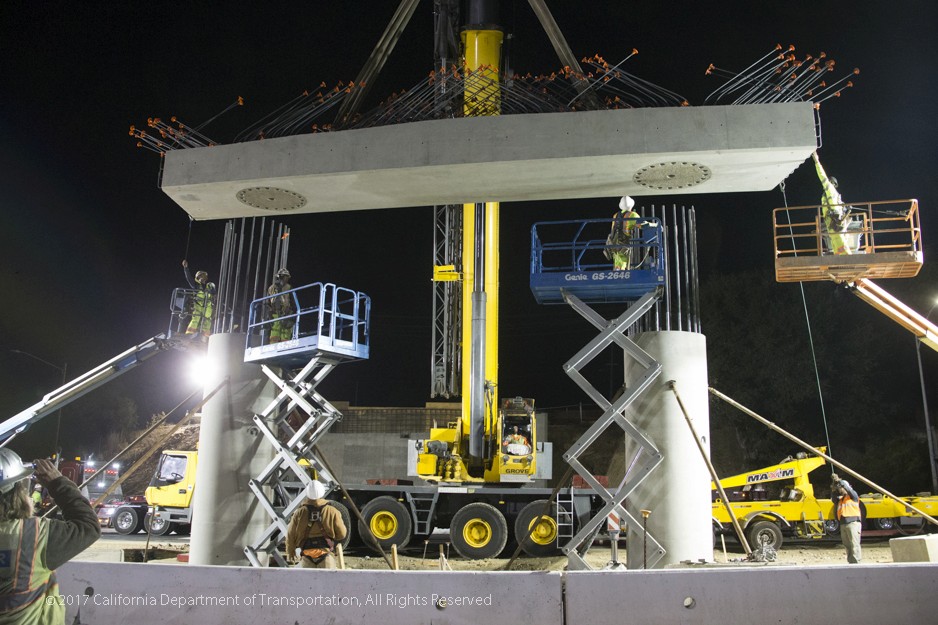
Earthwork operations focused on precision regrading of the gore area slopes to establish smooth, traversable recovery zones that meet current Caltrans Highway Design Manual standards. Existing slopes were cut and recompacted to eliminate abrupt grade transitions, low spots that collect water, and erosion-damaged surfaces that could snag an errant vehicle.
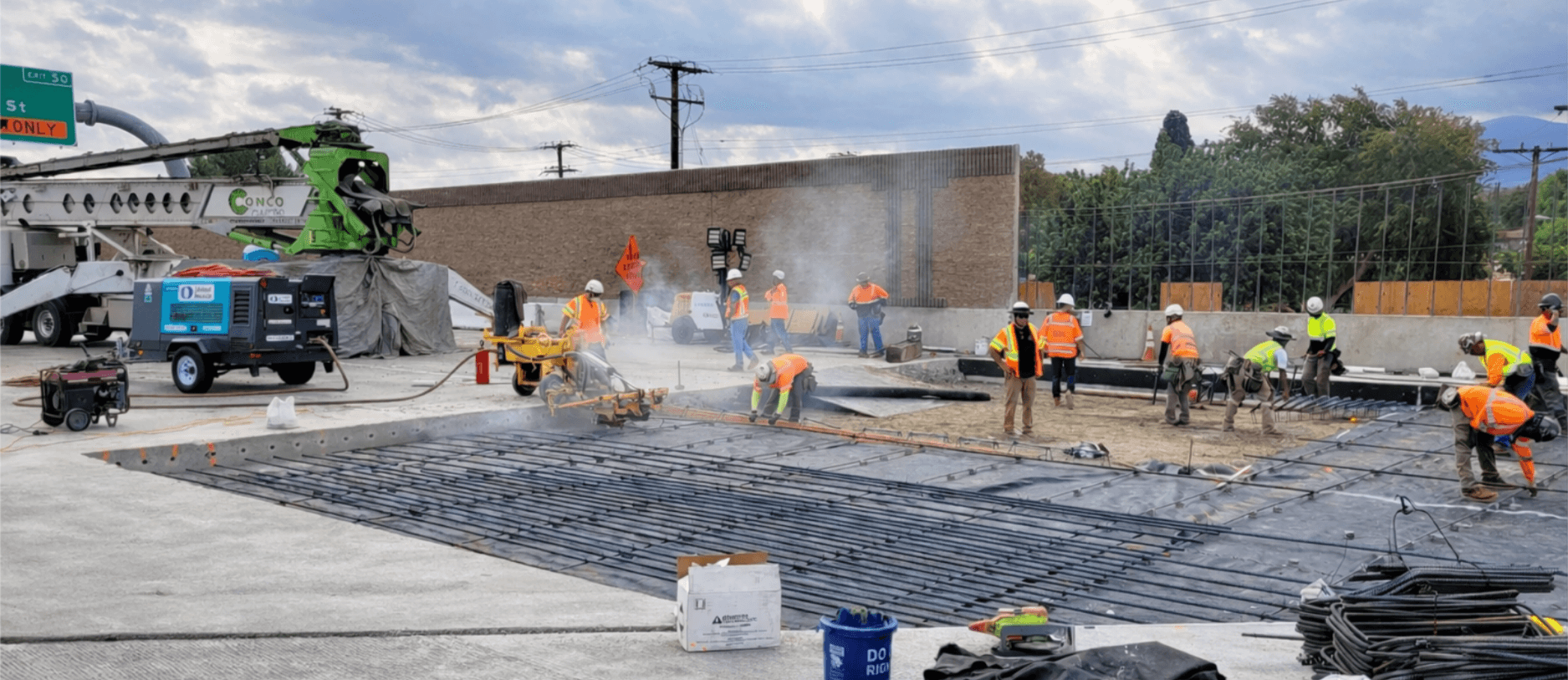
Concrete flatwork was reconstructed at ramp terminals and drainage channels, including new curbs, gutters, and valley gutters to direct stormwater away from the traveled way and into the existing storm drain system. Drainage improvements addressed localized ponding issues that contributed to both pavement deterioration and vehicle safety hazards during rain events.
Traffic signal modifications were performed at the Main Street intersections serving the on-ramp and off-ramp, including signal equipment upgrades, conduit and wiring replacement, and loop detector installation. Following completion of all grading and concrete work, landscape restoration included replanting, hydroseeding, irrigation system repair, and erosion control blankets to stabilize the regraded slopes within the Caltrans right-of-way.
Outcomes achieved.
Gore areas regraded:
Both EB on-ramp and EB off-ramp gore areas recontoured to current Caltrans geometric and drainage standards.Flatwork reconstructed:
New curbs, gutters, drainage channels, and ramp terminal concrete at both locations.Signals upgraded:
Traffic signal equipment modernized at Main Street intersections serving the interchange.Landscape restored:
Full replanting, irrigation repair, hydroseeding, and erosion control within the project limits.Corridor impact:
Improved safety and drainage at a high-volume interchange on the SR-91 Artesia Freeway.
The project is part of Caltrans District 7's systematic approach to interchange safety improvements along SR-91 through southern Los Angeles County, addressing geometric deficiencies at ramp connections that handle heavy daily commuter and freight traffic volumes.